Do fidget toys actually help with ADHD?
Fidget toys may help some people with ADHD focus by giving restless energy a small, low-effort outlet, which can make sitting still and paying attention feel less effortful. The honest answer, though, is that the evidence is mixed and very individual. What settles one person can distract another.
Here is the gentle, real version. Many ADHD brains seek movement and stimulation. When that need has nowhere to go, it can spill into the things you wish you could quiet, like tapping, leg bouncing, or losing the thread of a conversation. A fidget toy gives the hands something undemanding to do. For some people, that steady background motion frees up the rest of their attention for the task in front of them.
Organizations like CHADD and ADDitude often describe movement as a meaningful part of how some people with ADHD self-regulate, and occupational therapists frequently use sensory tools as one piece of a larger toolkit. At the same time, research on fidget toys specifically is still emerging and not conclusive. We would rather tell you that plainly than oversell a squishy toy. Think of a fidget as a small, friendly experiment, not a guarantee.
How does fidgeting support focus and self-regulation?
Fidgeting can support focus by satisfying a brain’s need for movement or sensory input in a way that does not interrupt the main task, which may make it easier to stay present, calm, and engaged. For self-regulation, the repetitive motion can also feel grounding when emotions or energy run high.
A few ideas help explain why this happens for some people:
- Channeling restlessness. A quiet outlet for the hands can absorb the urge to move, so it does not build up into bigger distractions.
- Steady sensory input. Squeezing, rolling, or pressing gives consistent feedback that can feel calming and predictable.
- Grounding in the moment. When thoughts race or feelings spike, a familiar texture in the palm gives attention somewhere safe to land.
- A pause button. Reaching for a fidget can create a tiny gap between a feeling and a reaction, which is the heart of self-regulation.
This is the same logic behind a lot of sensory regulation work that occupational therapists describe. None of it is magic. It is simply giving the body a small, acceptable way to do what it already wants to do, so the mind has more room to focus.
What kind of fidget toy is best for focus rather than distraction?
The best focus fidget is quiet, simple, and usable without looking, so it stays in the background instead of becoming the main event. A good rule: if a toy makes noise, needs both hands, or is fun enough to play with on purpose, it may pull attention away rather than support it.
When you are choosing for focus, look for:
- Quiet by design. No clicking, no rattling, nothing that disturbs a classroom or meeting.
- One simple motion. Squeeze, roll, or press. Single-purpose toys keep the hands busy without inviting elaborate play.
- Usable one-handed and eyes-free. The goal is to fidget while you read, listen, or type, not instead of it.
- Calming texture. A slow-rising squishy or a soft gel blob gives steady, soothing feedback.
- Low novelty. Flashy gadgets are exciting, and excitement competes with focus. Boring-in-a-good-way wins.
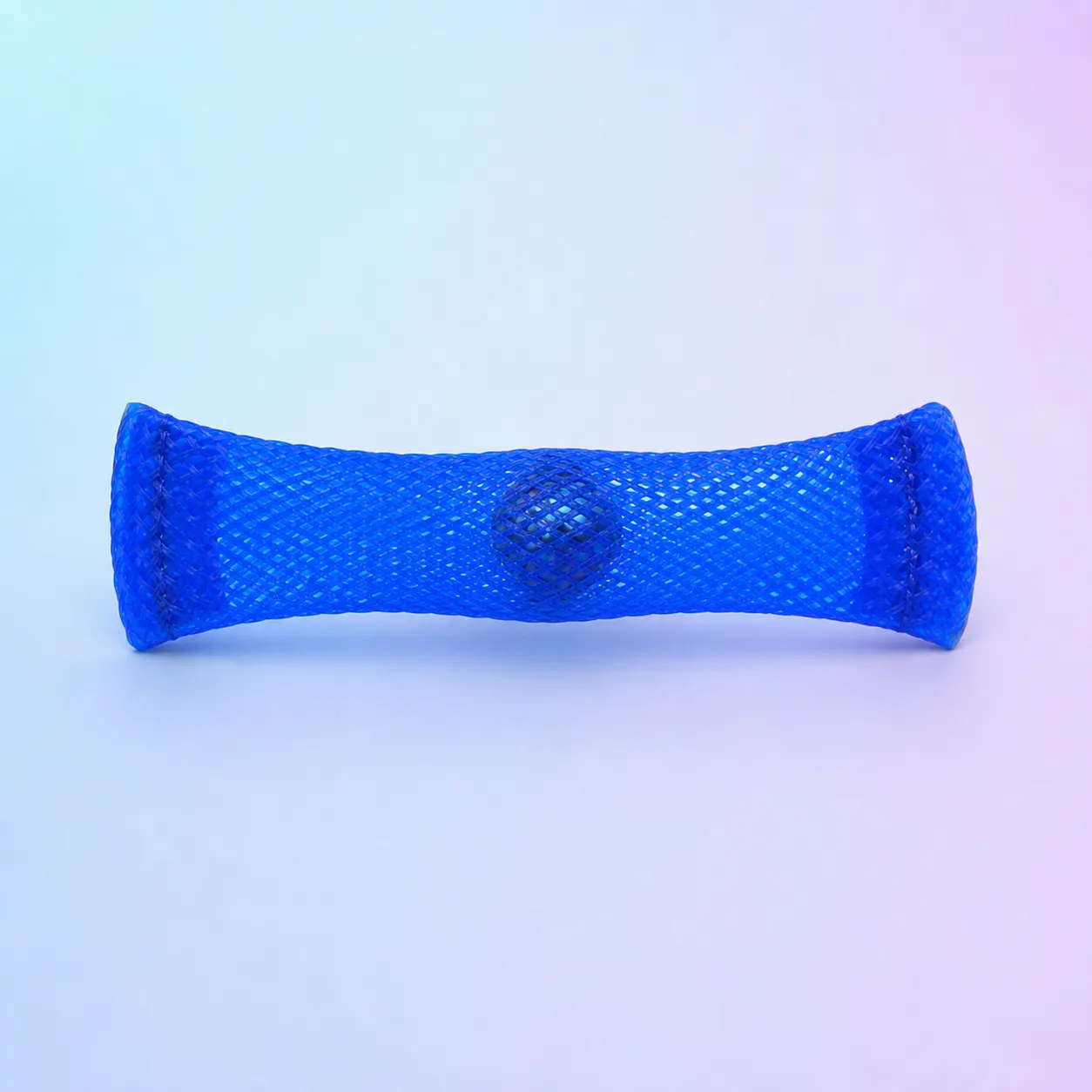
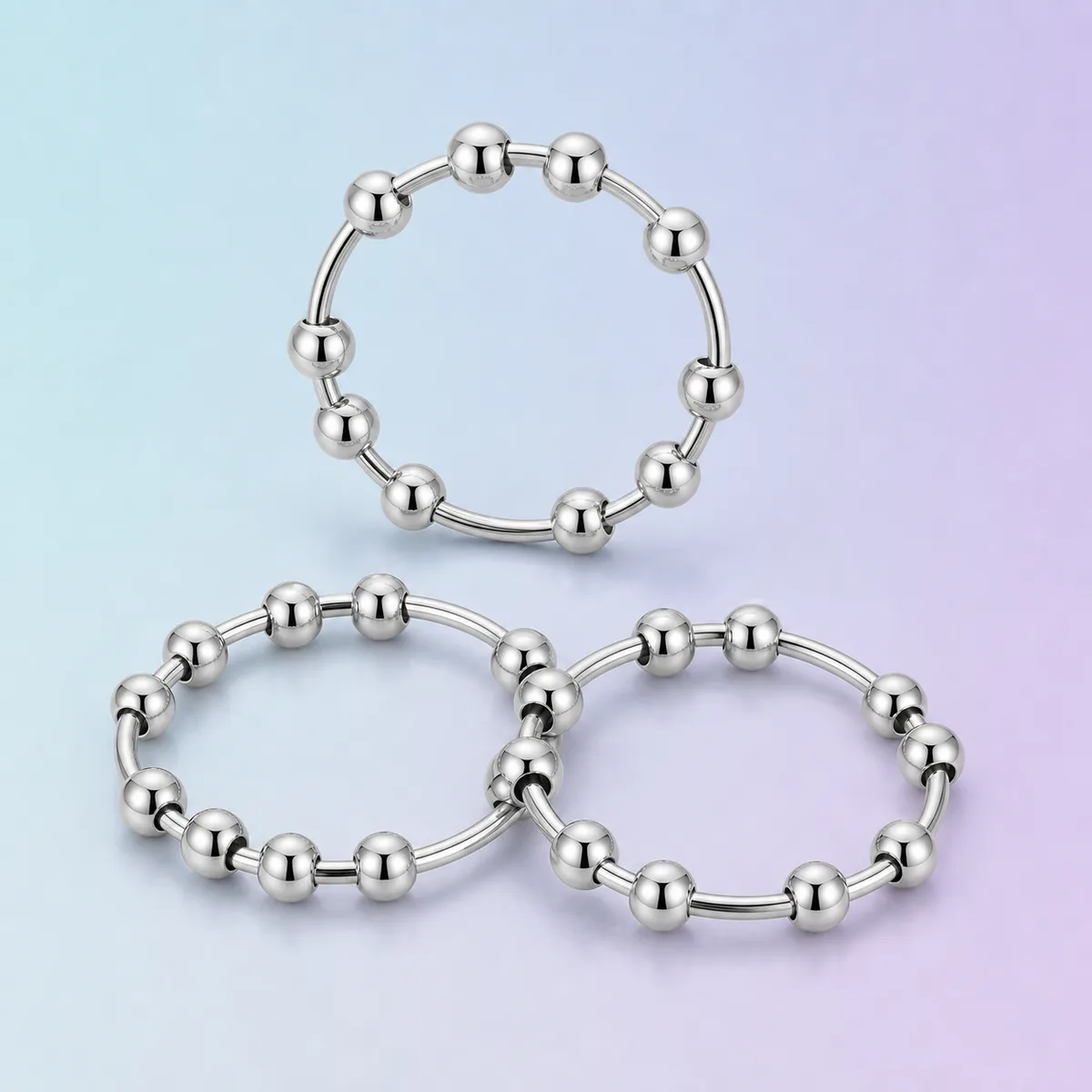
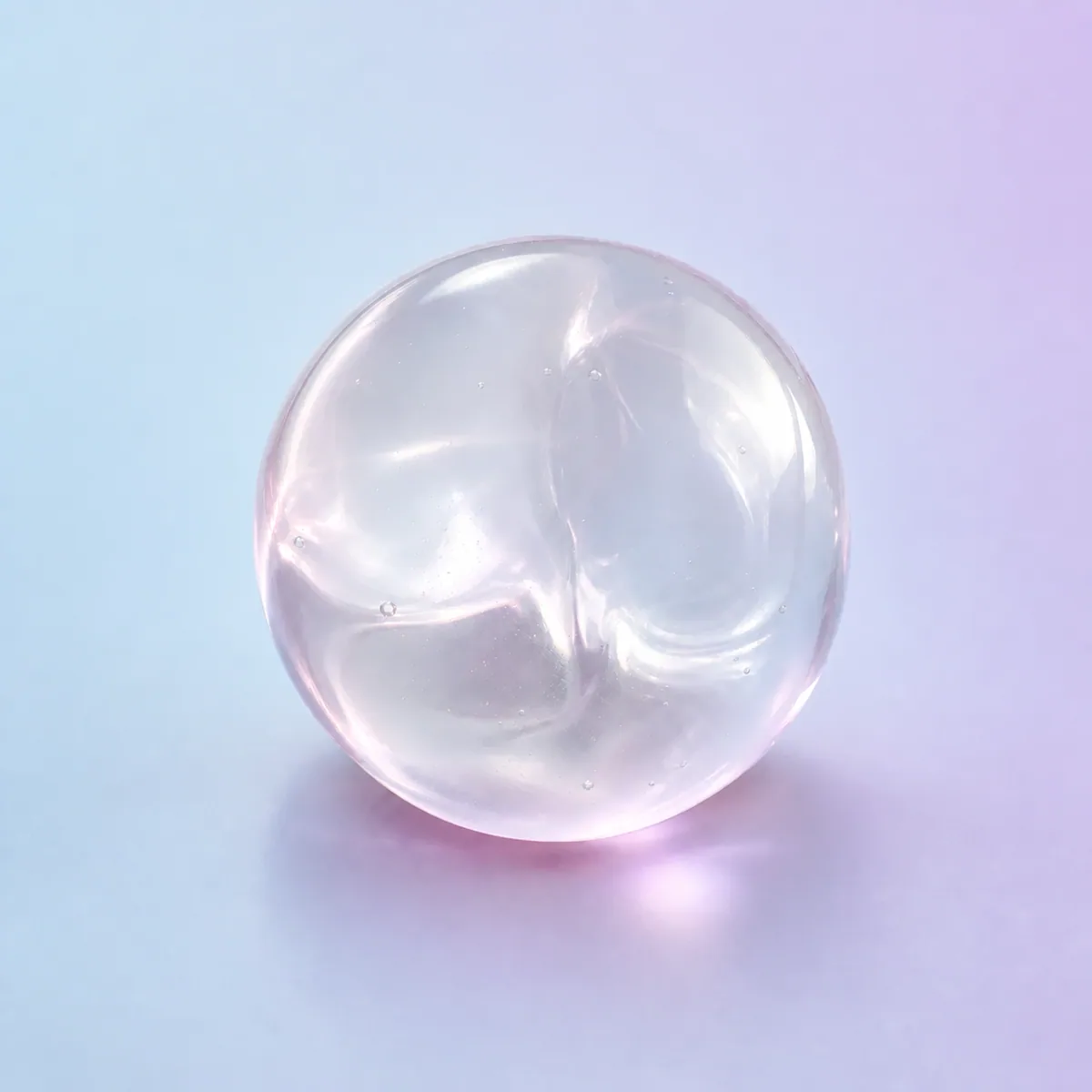
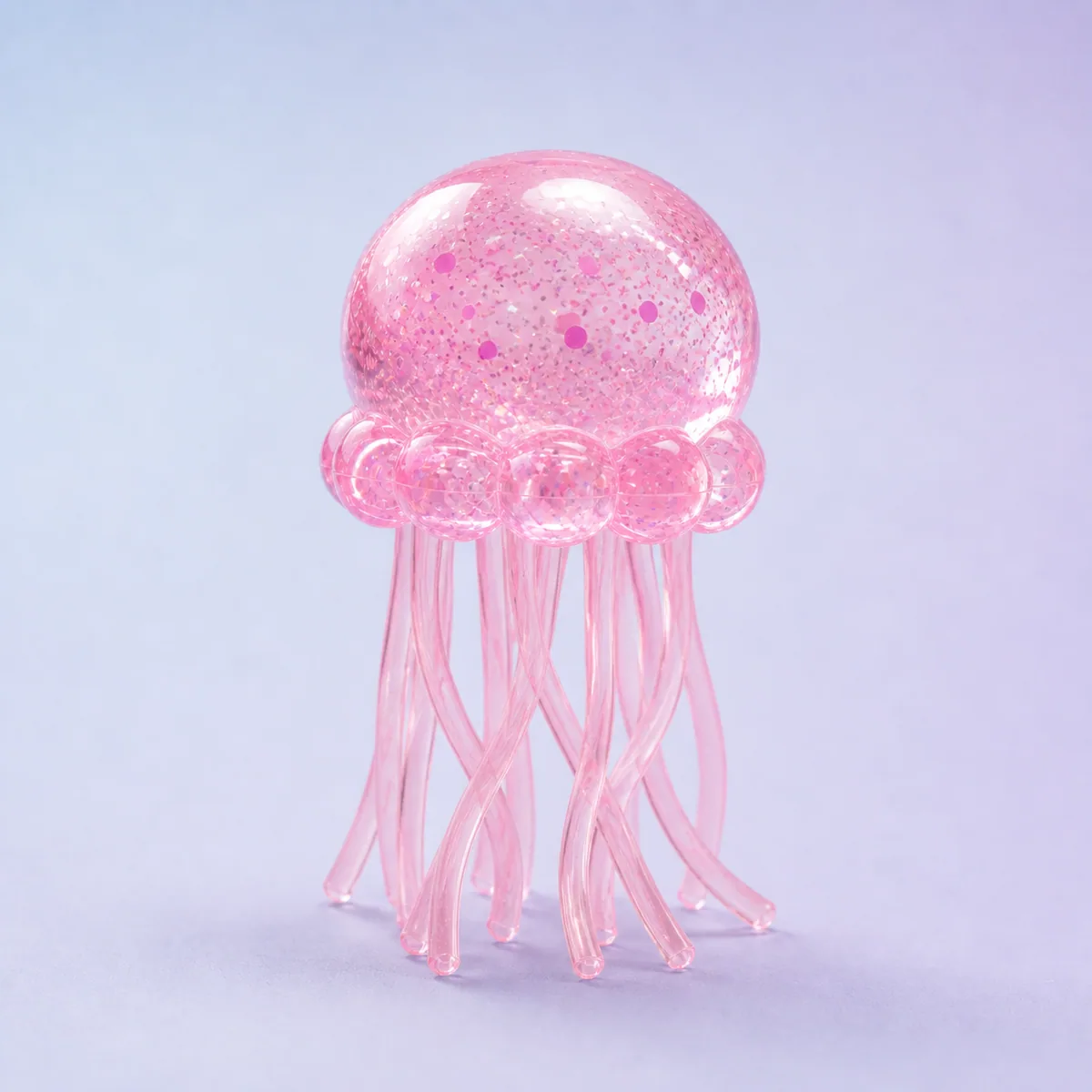
For steady, silent focus, a Roll & Squeeze Mesh Marble Fidget is a quiet workhorse you can use under a desk. The Quiet Spinner Sensory Ring Set is discreet enough for the office and stays on your finger. If you respond to soft, slow textures, the Jelly Blob Transparent Gel Fidget or the Lumi Jellyfish Crystal Squishy give gentle resistance without a sound. Everything we make that suits this job lives in the focus and ADHD collection, all of it quiet by design.
Are fidget toys distracting in the classroom or workplace?
Fidget toys can be distracting in classrooms and workplaces when they are loud, flashy, or genuinely fun, but quiet, plain ones are far less likely to cause problems. The deciding factor is whether the toy stays in the background of attention or becomes the center of it.
This is the honest tension. A toy that is exciting enough to entertain a whole table is the same toy that competes with the lesson or the meeting. That does not mean fidgets do not belong in these spaces. It means the choice matters.
For shared spaces, lean toward:
- Silent tools you can use under a desk, like a mesh marble fidget.
- Wearable, low-profile options, like a sensory fidget ring, that look like ordinary jewelry.
- Single-texture squishies that invite a calm squeeze, not a performance.
It also helps to set expectations. A quick word with a teacher or manager, framing the fidget as a focus tool rather than a toy, goes a long way. Many educators and occupational therapists are already familiar with this approach. If you are choosing for a child, involve them and their teacher so the tool genuinely supports learning.
Which The Calm Toy fidgets are good for ADHD focus?
For ADHD focus, the most useful Calm Toy options are the quiet, discreet, single-motion ones you can use without thinking, like the mesh marble fidget, the quiet spinner ring set, and the slow-rising squishies. Below is a simple comparison to help you match a toy to a setting.
| Product | Best for | Quiet? | Discreet? |
|---|---|---|---|
| Roll & Squeeze Mesh Marble Fidget | Silent focus in meetings and class | Yes | Yes |
| Quiet Spinner Sensory Ring Set | Discreet office fidget you wear | Yes | Very |
| Jelly Blob Transparent Gel Fidget | Visual grounding and desk focus | Yes | Moderate |
| Lumi Jellyfish Crystal Squishy | Calm focus and anxiety at the desk | Yes | Moderate |
| Calm Orb Water-Bead Squeeze Ball | Focus plus an outlet for nail-biting | Yes | Moderate |
| The Calm Starter Bundle | Trying several to learn your preference | Yes | Mixed |
If you are not sure what your hands prefer yet, The Calm Starter Bundle is an easy way to test a few textures and motions before committing. Many people are surprised by which one quietly becomes their everyday go-to. There is no wrong answer here, only what works for your brain.
What can’t fidget toys do for ADHD?
Fidget toys cannot treat, manage, or replace care for ADHD. They are small supportive tools that may help with focus and regulation in the moment, but they are not medicine, therapy, or a substitute for a diagnosis and a proper care plan. We want to be clear about that.
A fidget will not, on its own, fix executive function challenges, remove the need for structure and support, or work the same way for everyone. Some people feel a real difference. Others feel nothing, or find a toy distracting, and that is completely normal. None of it reflects on you.
If you suspect you or your child has ADHD, or you are looking for real strategies to manage it, please talk with a qualified professional. A doctor, psychologist, or occupational therapist can offer guidance that a squishy toy never can. Resources from CHADD, ADDitude, and the Child Mind Institute are thoughtful starting points for learning more. A fidget toy can sit happily alongside that care as one gentle, hands-on support, which is exactly the role it is good at.
How do I choose the right fidget for my brain?
Choose a fidget by paying attention to what your body actually wants and how a toy makes you feel, rather than following a list of best-sellers. The right fidget is the one that quietly settles you and lets you focus, even if it is not the one anyone else would pick.
A simple way to find yours:
- Notice your default. Do you squeeze, tap, press, roll, or pick? Match the toy to the motion you already make.
- Match the setting. A silent space needs a silent tool. A private desk has more room for texture and squish.
- Run a small experiment. Use one fidget for a few days and notice, gently, whether you feel more settled or more pulled away.
- Trust what you observe. If a toy distracts you, it is not the right one, no matter how popular it is. Set it aside without guilt.
There is no perfect fidget, only the one that fits the brain holding it. Calm, as we like to say, is meant to fit in the palm of your hand, and the best way to find your fit is to listen to yourself and let curiosity, not pressure, lead the way.
Sources & further reading
We reference trusted organizations by name. This article is informational and not a substitute for professional medical advice.
- CHADD: Nonprofit offering education and resources on ADHD; describes movement and self-regulation as part of how some people with ADHD manage focus.
- ADDitude: Publication covering ADHD strategies and lived experience; frequently discusses movement, fidgeting, and sensory supports.
- American Occupational Therapy Association: Professional body for occupational therapists, who often use sensory tools as one part of a broader regulation toolkit.
- Child Mind Institute: Nonprofit providing guidance on child mental health and neurodevelopment, including ADHD and sensory needs.
Frequently asked questions
Are fidget toys scientifically proven to help with ADHD?
Not conclusively. Research on fidget toys for ADHD is still emerging and mixed. Some people find that gentle movement supports focus and regulation, and organizations like CHADD and ADDitude describe movement as part of how some ADHD brains self-regulate. Treat a fidget as a supportive experiment, not a proven treatment.
Won't a fidget toy just distract me even more?
It can, if the toy is loud, flashy, or genuinely fun to play with. For focus, choose quiet, simple, single-motion toys you can use without looking, like a mesh marble fidget or a sensory ring. If a toy pulls your attention toward it instead of settling you, it is the wrong toy for you.
Are fidget toys okay to use in the classroom or office?
Often yes, when they are quiet and discreet. Silent, low-profile tools like a mesh marble fidget or a wearable spinner ring are far less disruptive than noisy gadgets. It helps to frame the fidget as a focus tool with a teacher or manager so everyone is on the same page.
Can a fidget toy replace ADHD treatment or medication?
No. Fidget toys are not medicine, therapy, or a substitute for professional care. They are small tools that may support focus and regulation in the moment. If you suspect ADHD or want real management strategies, please talk with a doctor, psychologist, or occupational therapist.
Which fidget toy should I start with for ADHD focus?
Start quiet and simple. The Roll & Squeeze Mesh Marble Fidget and the Quiet Spinner Sensory Ring Set are discreet, single-motion options that work well in shared spaces. If you are unsure what your hands prefer, the Calm Starter Bundle lets you try several textures to discover your fit.